A solo business does not need dozens of subscriptions. It needs a small set of tools that cover the essentials and work well together. Most solo founders end up with the same five layers: a website and audience, content creation, client and money operations, automation, and a comfortable place to work. This blueprint shows what each layer does, what to look for in a tool, and the order in which to build it.
The short version: build in layers, starting with the layer that makes you money soonest. Add a tool only when a real problem shows up, and choose tools that export your data and connect with others.
The five layers
- Website and audience. A home for your business and a way to reach people.
- Content engine. Software for recording, editing and designing.
- Operations and money. Proposals, contracts, invoices and records.
- Automation. Connections that remove repeated tasks.
- Workspace. The physical setup that keeps you comfortable and focused.
Layer 1: Website and audience
- Website. Choose between a builder and WordPress. See website builder vs WordPress.
- Domain and hosting. Register your domain in your own name and pick suitable hosting. See choosing a domain name and choosing web hosting.
- Email list. The audience you own. See the email marketing engine.
- Search and social. Helpful articles and a simple posting routine. See SEO for one-person businesses and social media for solo founders.
- Landing pages. One page, one job. See landing page basics.
Layer 2: Content engine
- Recording. Local recording tools such as Riverside.fm capture clean audio and video.
- Editing. Text-based editors such as Descript speed up cutting.
- Design. A design tool such as Canva Pro handles graphics and templates.
- Workflow. See the 4K video pipeline, batch recording and the repurposing flywheel.
Layer 3: Operations and money
- Proposals, contracts and invoices in one platform such as Bonsai.
- Client onboarding as a repeatable sequence. See the client onboarding system.
- Pricing that reflects your value. See pricing your services.
- Money habits such as a tax pot and a cash buffer. See the money system guide.
Layer 4: Automation
Automation links your tools so routine steps run themselves. Visual tools such as Make.com connect apps without code. Start with one workflow, and keep humans in the loop for customer-facing work. See zero-code AI orchestration and the operations engine guide.
Layer 5: Workspace
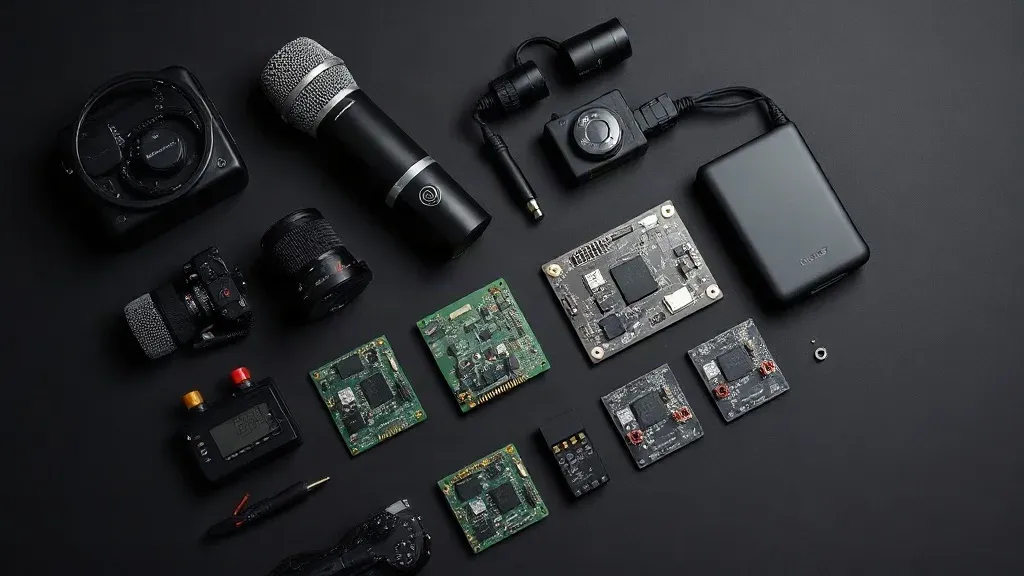
A comfortable desk protects your health and focus. Get the heights right, and add a good microphone, camera and lighting if you record or take calls. See the ergonomic workstation guide and our best gear guide.
Ready-made stacks
See how these layers come together in a complete stack, such as The 1-Person YouTube Studio Stack. Different businesses need different combinations:
- Consultants focus on proposals and client delivery: the solo consultant stack.
- Course creators need recording and a course platform: the course creator stack.
- Podcasters need a repeatable pipeline: the solo podcaster stack.
- Writers build an audience by email: the newsletter business stack.
How to choose any tool
- Does it solve a problem you have now? Do not buy for imagined future needs.
- Can you export your data? You should be able to leave.
- Does it connect to your other tools?
- Is the total cost clear, including renewal prices and extra charges?
- Is it secure and private? Check two-factor authentication and where data is stored.
- Does it fit your budget? Many tools offer free or low-cost plans to start.
Build order
- Website, email signup and a way to take payment or bookings.
- Your core money tools: contract, invoice, bank accounts.
- Content tools for your main format.
- One automation.
- Workspace upgrades.
Review your subscriptions every quarter, and cancel what you do not use.
A note on affiliate links
Some of the tools on this site may earn us a commission if you buy through our links. We choose tools on their merits and explain our reasoning. Always check current prices and terms on the provider's own website.
Questions people ask
How much should a solo stack cost?
Costs vary widely. Start with what you need to earn, and add paid tools when they save you more than they cost.
Should I choose all-in-one tools or separate ones?
All-in-one tools are simpler, and separate tools are often stronger in one area. Choose based on what slows you down.
How often should I change tools?
Rarely. Switching costs time, so change only when a tool clearly holds you back.
Where should I start?
With the layer closest to income, which is usually your website, your offer and your way of getting paid.